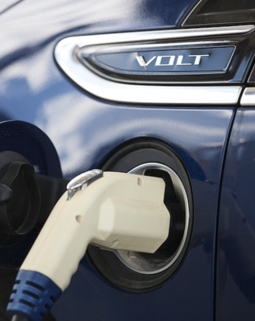

With the rapid global shift toward decarbonization, Central Asia is stepping into the spotlight. At the heart of this regional transformation is the profound link between abundant hydroelectric resources and the surging Kyrgyzstan EV growth. Known for its towering mountains and vast river networks, the country is uniquely positioned to fuel a cleaner, greener transportation sector using its domestic power grid. By transitioning away from expensive imported fossil fuels, the acceleration of Kyrgyzstan EV growth ensures a much more resilient economic and environmental future for the entire nation.
The Foundation of renewable energy
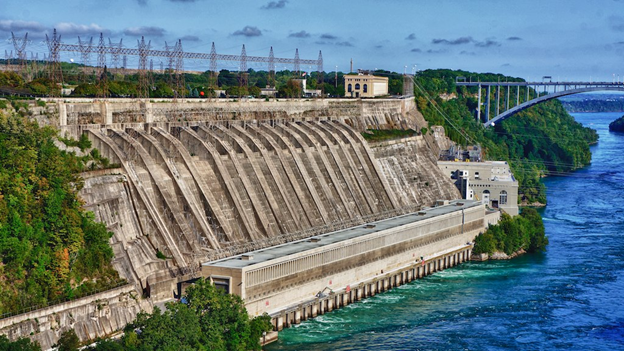
The nation relies heavily on its massive water resources, with hydroelectric dams accounting for over 90% of its domestic electricity generation. As the government continues to modernize legacy facilities like the Toktogul reservoir and actively construct new small-scale hydropower plants across the country, the capacity to safely support a massive influx of electric vehicles is rapidly expanding. This abundance of cheap, green electricity is the primary economic catalyst driving the recent Kyrgyzstan EV growth. By plugging cars directly into a national grid powered primarily by water, drivers are effectively achieving true zero-emission mobility from well to wheel, entirely bypassing the massive carbon footprint typically associated with traditional power generation.
Tackling Urban Air Quality with sustainable transport
Major cities like Bishkek have historically grappled with severe winter smog, a toxic combination largely driven by outdated internal combustion engine vehicles, heavy traffic congestion, and coal-based heating systems. The transition toward sustainable transport is therefore no longer just an environmental ideal; it is a critical public health necessity. To actively accelerate this vital transition, local officials and environmental ministries are strongly promoting the widespread adoption of battery-powered cars.
Recent national statistics show a massive, record-breaking leap in vehicle registrations over the past year, clearly highlighting that Kyrgyzstan EV growth is rapidly moving from a niche enthusiast market into the mainstream automotive sector. Consumers are quickly realizing that the total cost of ownership for these cars has become significantly lower than their gasoline counterparts, largely due to the incredibly low cost of domestic hydroelectricity.
Expanding the charging infrastructure
Despite the clear economic and environmental advantages, sustaining this unprecedented momentum requires robust, forward-thinking urban planning. For Kyrgyzstan EV growth to successfully reach its ultimate, long-term potential, the nation must heavily expand its public charging infrastructure. Currently, the capital city has seen the successful installation of over 100 electric charging stations, but the more remote and mountainous regions remain largely underserved, creating frustrating range anxiety for cross-country travelers.
The Road Ahead for Clean Mobility
To effectively bridge this infrastructural gap, targeted government subsidies and private investments in high-speed chargers along major regional transit corridors are absolutely essential. This expansion will not only serve local daily commuters but also seamlessly enable cross-border eco-tourism and freight logistics. For comprehensive daily updates on regional market shifts, green tech developments, and global automotive trends, readers can seamlessly consult AsiaCarNews.
As the nation consistently upgrades its power grid and introduces ambitious green taxi initiatives in urban centers, the powerful synergy between water-generated electricity and modern mobility will only strengthen. Ultimately, aggressively maintaining this impressive Kyrgyzstan EV growth will firmly solidify the country's reputation as a highly progressive, forward-thinking leader in Central Asian clean energy.
Would you feel confident driving an electric vehicle through the mountainous terrains of Central Asia? What further improvements do you think are needed to support a fully electric future? Share your thoughts, concerns, and ideas in the comments below!