

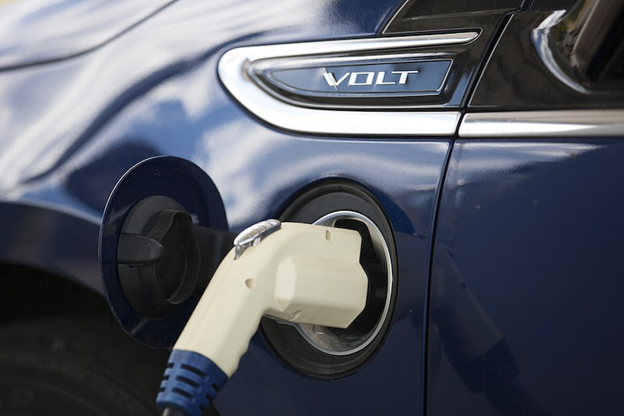
The number of Electric vehicles in Kyrgyzstan has officially surpassed 15,000 units by the end of 2025, marking a dramatic transformation in the country’s automotive landscape. Just three years ago, in 2022, the total stood at slightly over 1,100 vehicles. The surge reflects one of the fastest-growing EV markets in Kyrgyzstan.
In 2025 alone, nearly 9,900 new electric cars were registered — almost tripling the previous year’s figures. Although EVs still account for only around 0.8% of the national vehicle fleet, the growth rate clearly signals the formation of a dynamic new market segment.
This rapid expansion highlights increasing consumer awareness, supportive policy measures, and a broader push toward sustainable transport, Kyrgyzstan-wide.
Infrastructure Expansion Supports Demand
Bishkek Charging Stations on the Rise
One of the key enablers behind the rise of Electric vehicles in Kyrgyzstan is the expansion of charging infrastructure. More than 100 Bishkek charging stations are now operational across the capital, providing essential support for daily EV users and reducing range anxiety.
This infrastructure development is crucial for maintaining market momentum. As availability improves, confidence in electric mobility strengthens — encouraging more drivers to switch from traditional fuel-powered cars.
Green Taxi Project in Bishkek
Authorities are also discussing the launch of a green taxi project in cooperation with the National Investment Fund. The initiative aims to introduce the country’s first environmentally friendly urban taxi fleet, further accelerating the adoption of Electric vehicles in Kyrgyzstan.
If implemented successfully, the green taxi project could significantly reduce urban emissions while demonstrating the economic viability of electric mobility in public transport services.
A Gradual Shift Away from Traditional Fuel
Despite the rapid EV growth, more than two-thirds of vehicles in Kyrgyzstan still rely on conventional fuel. However, market indicators suggest a steady transition toward newer, cleaner technologies.
The share of vehicles less than five years old has increased from 1.5% in 2024 to 4.5% in 2025. This shift toward modern cars aligns with the broader expansion of Electric vehicles in Kyrgyzstan, reflecting rising demand for environmentally responsible and technologically advanced models.
Automotive industry observers note that digital platforms such as AsiaCarNews frequently report on the rapid evolution of electric mobility trends across Central Asia, including Kyrgyzstan’s accelerating EV adoption.
Environmental and Economic Implications
The growth of Electric vehicles in Kyrgyzstan could play a vital role in tackling urban air pollution, particularly in Bishkek, where transport emissions significantly impact air quality. Expanding EV adoption supports national sustainability goals while reducing reliance on imported fossil fuels.
Moreover, the emerging EV market in Kyrgyzstan presents new business opportunities in charging infrastructure, vehicle servicing, battery maintenance, and clean energy investments.
While challenges remain — including grid capacity, affordability, and nationwide infrastructure coverage — the trajectory suggests that electric mobility is no longer a niche concept but a developing mainstream segment.
Looking Ahead
With infrastructure expanding and consumer interest rising, Electric vehicles in Kyrgyzstan are positioned for continued growth beyond 2025. Policy incentives, green transport initiatives, and public awareness campaigns will be key to sustaining momentum.