
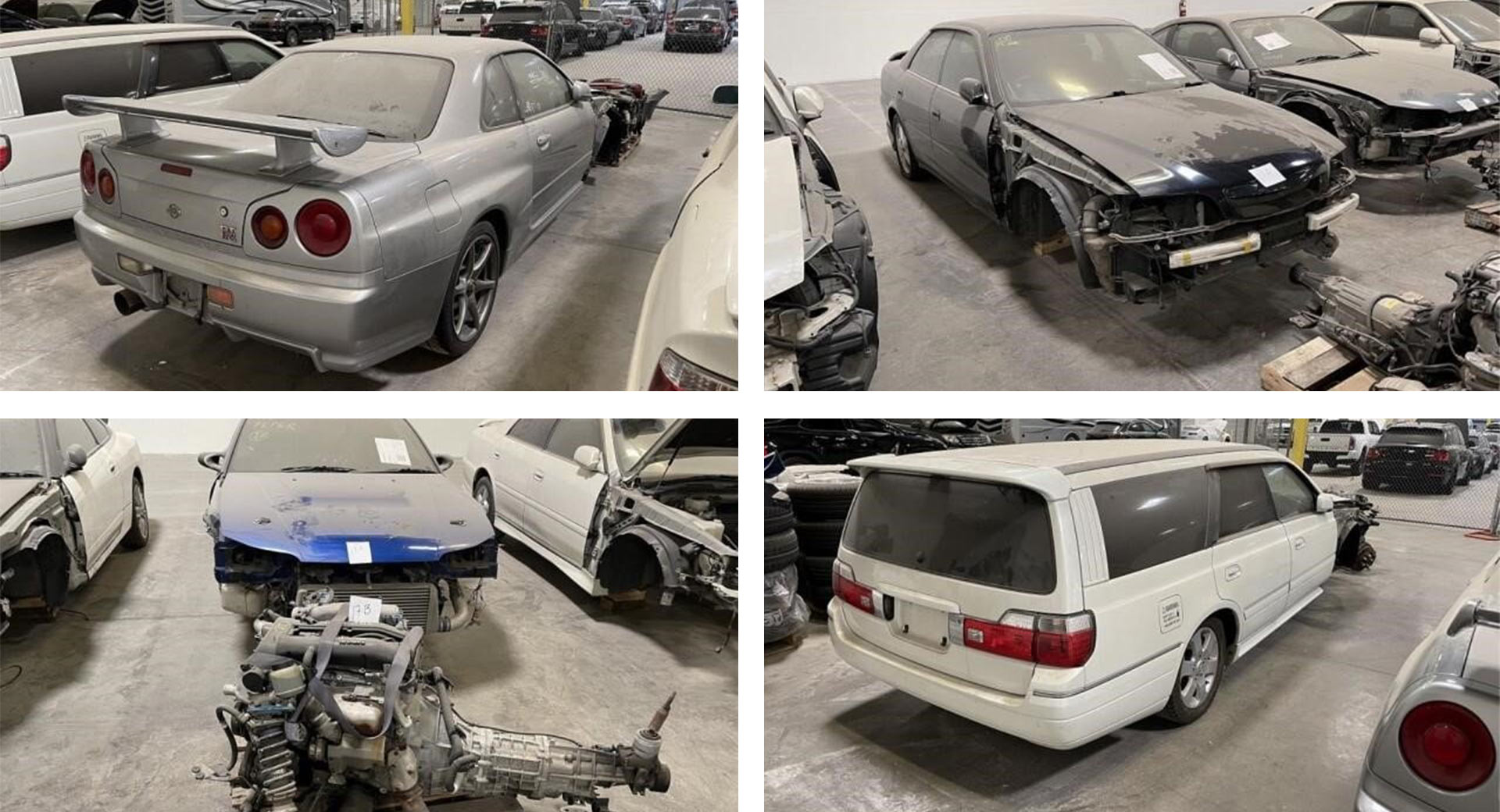
Vehicle body import ban in Kyrgyzstan is under public discussion following a draft resolution proposed by the Ministry of Economy. The proposed six-month ban seeks to address rising concerns over illegal vehicle imports, particularly the import of vehicle parts used to assemble so-called “constructors.” These are vehicles put together from different components, often to bypass customs duties and documentation requirements.
The ban would temporarily prohibit the importation of vehicle bodies into Kyrgyzstan. However, certain exemptions will apply for automotive companies involved in local assembly. Businesses such as DT Teknik, TNK Shumkar, Jisu, Shunfa, Murad Auto, Kyrgyz Unaa Kurulush, and Meridian Gold will still be allowed to import bodies specifically for production and assembly purposes.
Combating Fraudulent Practices in the Automotive Sector
Targeting Constructor Vehicles
The vehicle body import ban in Kyrgyzstan is seen as a direct response to a growing trend of registering “constructor” vehicles—cars assembled from disparate parts—often without paying the necessary import duties. These practices are not only illegal but also compromise road safety and reduce state revenue.
The Ministry of Economy stated that controlling such practices is essential to maintaining transparency and legality in Kyrgyzstan’s automotive market. Authorities believe that tighter controls on imports will help prevent the registration of vehicles with counterfeit documents and improve regulatory oversight.
Notification to International Bodies
If approved, the Ministry of Economy will notify international organizations such as the World Trade Organization and the Eurasian Economic Commission about the vehicle body import ban in Kyrgyzstan. The Ministry of Foreign Affairs will inform the CIS Executive Committee. Once officially published, the resolution would take effect 15 days later, pending public and governmental approval.
Support for Domestic Assembly and Compliance
The resolution underlines the government’s focus on promoting local vehicle production. Companies benefiting from the exemption will continue to contribute to the development of Kyrgyzstan’s automotive industry. The ban is designed not to hinder legitimate industry players but to protect them from unfair competition from illegally imported vehicle components.
State agencies will be tasked with enforcing the new regulations, ensuring compliance across the country. This follows a similar approach Kyrgyzstan used earlier when it imposed a six-month export ban on mineral fertilizers outside the Eurasian Economic Union (EAEU).
What’s your opinion on this proposed import restriction? Should Kyrgyzstan enforce stricter vehicle import laws? Share your thoughts with us!
For vehicle listings and market insights in the region, visit Auto24 Kazakhstan.