
Kyrgyzstan air pollution continues to pose serious environmental and health risks, particularly in Bishkek, where PM2.5 levels frequently exceed international safety standards. While winter smog linked to coal-based domestic heating has long dominated headlines, new assessments show that pollution is not just a cold-season problem.
Recent national and international analyses confirm that vehicle emissions are a major contributor to declining air quality, especially during summer months. In fact, transport emissions account for nearly half of PM2.5 concentrations in warmer periods when heating sources are minimal. This shift has reframed the conversation around Kyrgyzstan's air pollution, placing urban mobility at the center of reform efforts.
Children, elderly residents, and individuals with pre-existing respiratory or cardiovascular conditions remain the most vulnerable. Long-term exposure to polluted air increases hospital admissions and reduces overall life expectancy, making clean air policy an urgent priority.
Transport Emissions: The Hidden Driver
Aging Fleet and Fuel Quality Challenges
One of the biggest contributors to Kyrgyzstan's air pollution is the aging vehicle fleet. A large share of cars on the road are older imports with limited emissions controls. Combined with inconsistent fuel standards and limited inspection enforcement, these vehicles release significant amounts of particulate matter and nitrogen oxides.
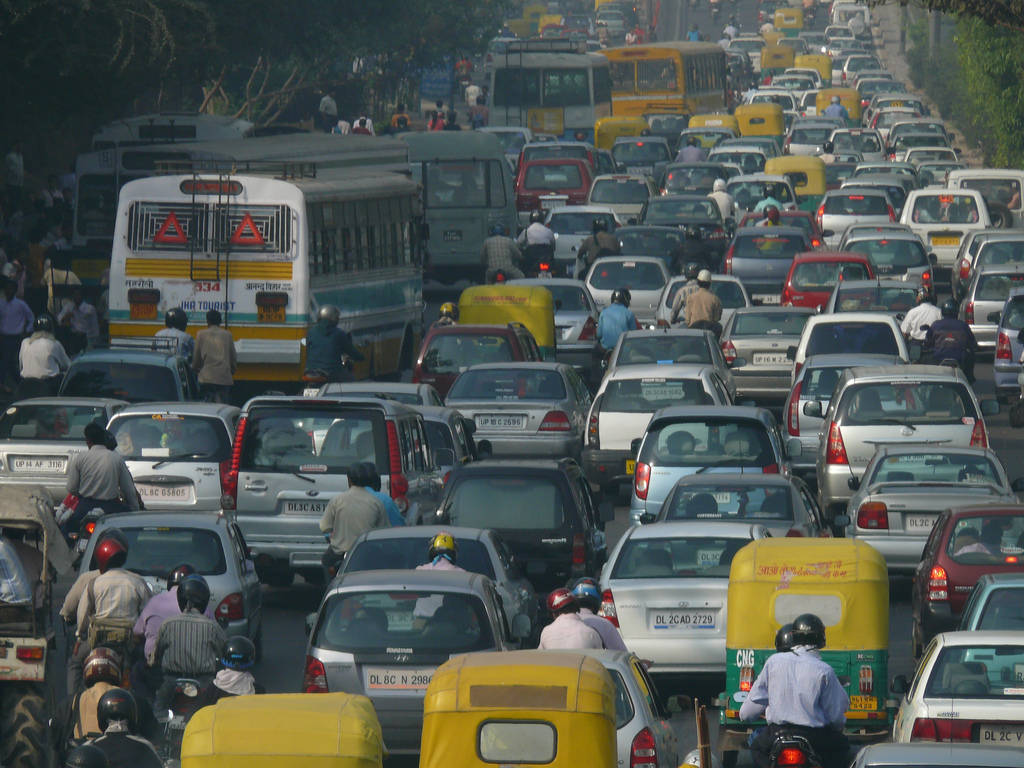
Urban congestion in Bishkek, Osh, and Jalal-Abad further worsens emissions. Inefficient traffic management systems increase idling time and fuel consumption, raising both pollution and greenhouse gas output. Strengthening Bishkek's air quality requires modern traffic systems, stricter inspection regimes, and cleaner fuel adoption.
Lack of Public Transport Alternatives
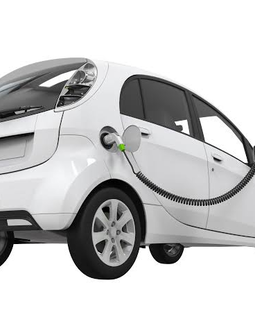
Another structural issue is limited investment in reliable, low-emission public transport. Many residents rely heavily on private vehicles due to overcrowded or outdated bus fleets. Expanding electric buses, improving route planning, and integrating digital mobility solutions could significantly reduce transport emissions, Kyrgyzstan-wide.
Industry platforms such as AsiaCarNews frequently highlight how cleaner vehicle technologies and smart mobility systems are reshaping transportation markets across Central Asia—trends that could directly support solutions to Kyrgyzstan's air pollution.
National Dialogue and Policy Action
Moving Beyond Winter-Only Perceptions
Following the February 2025 national clean air dialogue, policymakers acknowledged that summer pollution trends require year-round intervention strategies. The discussion marked a shift toward targeted, sector-specific reforms focused on urban transport reform.
The ongoing multi-stakeholder dialogue aims to evaluate progress under the 2024–2025 priority measures and define new actions beyond 2025. These include stronger regulatory oversight, better air quality monitoring systems, and alignment with international best practices tailored to Kyrgyzstan’s context.
Toward a Post-2025 Clean Air Strategy
The next national air quality management strategy will integrate transport planning, urban design, and environmental protection policies. Addressing institutional gaps and improving coordination between ministries remain essential to delivering measurable reductions in Kyrgyzstan's air pollution.
Efforts will also focus on strengthening emissions testing, upgrading public transport fleets, and encouraging low-emission vehicle adoption. If effectively implemented, these reforms could dramatically improve urban living conditions while supporting sustainable economic growth.
The Road Ahead
Reducing Kyrgyzstan air pollution demands consistent, evidence-based policymaking and strong collaboration between government agencies, development partners, and civil society. Transport reform is no longer optional—it is central to protecting public health and ensuring cleaner cities for future generations.
What changes do you think would make the biggest difference in reducing urban air pollution in Kyrgyzstan? Share your thoughts in the comments and join the conversation on building a cleaner future.