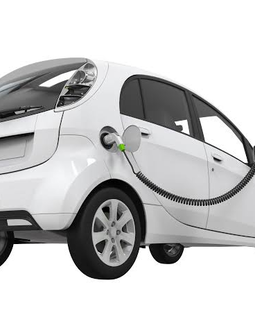


Kyrgyzstan is embracing a new era of sustainable transport, with solar-powered EV charging Kyrgyzstan at the heart of its strategy. As electric vehicle uptake grows slowly but consistently, the challenge of building reliable charging infrastructure is answered by pairing renewable energy with smart deployment—combining solar farms, mini-grids and roadside hubs to power the next wave of mobility.
Why the solar option matters
In a land-locked mountainous nation where grid reliability varies across regions, solar-powered EV charging Kyrgyzstan offers a practical solution. Solar arrays can be deployed near highways, in rural zones or at tourist gateways, creating charging hubs independent of aging transmission lines. This decentralised model supports both urban fleets and longer travel corridors, ensuring EV users aren’t stranded by a black-out.
Rolling out the charging network
To enable solar-powered EV charging Kyrgyzstan, planners are exploring dual-axis solar panels alongside roadside shelters to power fast DC chargers in strategic locations. In addition, remote towns and high-altitude passes are being assessed for solar-battery installations that operate like mobile service stations. These solar hubs help tackle one major obstacle: charging deserts in less-served areas.
Urban centres like Bishkek and Osh are also getting modernisation. Fast-charging stations linked to municipal fleets and ride-hailing services use solar-generated energy during the daytime and draw from battery backups after sunset. This shift ensures that solar-powered EV charging Kyrgyzstan serves a full spectrum of users—from individual drivers to public transport fleets.
Policy direction and ecosystem support
The government of Kyrgyzstan is crafting policy frameworks to incentivise solar-powered EV charging Kyrgyzstan, including tax exemptions for EV imports, subsidies for charger installations and permits for rooftop solar systems. Private sector players are also entering the scene with service agreements that integrate solar installation, charger hardware and remote monitoring into one package. Such bundled models make deployment more feasible across challenging terrain.
Benefits for environment and economy
Deploying solar-powered EV charging Kyrgyzstan carries multiple advantages: it reduces CO₂ emissions by replacing fossil-fuelled transport and ensures that every kilometre driven is backed by clean energy. Moreover, local fabrication of solar mounts and community micro-grids creates jobs and generates local capacity. Coupled with mobility platforms offering electric car or fleet rentals, the ecosystem is becoming circular, efficient and market-ready—platforms like AsiaCarGroup illustrate how vehicle mobility services are adapting globally.
Challenges and what’s ahead
Despite the strong promise of solar-powered EV charging Kyrgyzstan, hurdles remain. High upfront costs of solar plus charger arrays, terrain that complicates installation and the need for skilled maintenance in remote zones all slow progress. Furthermore, regulatory consistency and grid-integration rules need to evolve for scale. Still, pilot hubs and highway-corridor installations are already proving the concept, setting the stage for wider roll-out through the late 2020s.
As Kyrgyzstan’s transportation and energy sectors converge, solar-powered EV charging Kyrgyzstan stands as a cornerstone of national mobility strategy. By combining renewable energy, smart infrastructure and supportive policy, the country is positioning itself to move away from imported oil and toward a cleaner, stronger transport future.
What do you think about the prospects for solar-powered EV charging Kyrgyzstan in your region? Share your ideas and let’s explore how this model can carry clean mobility across Central Asia and beyond!