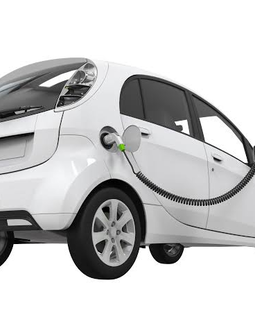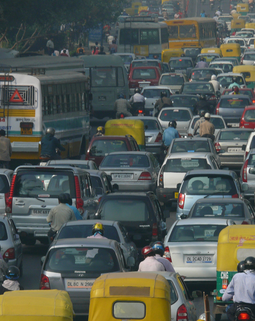

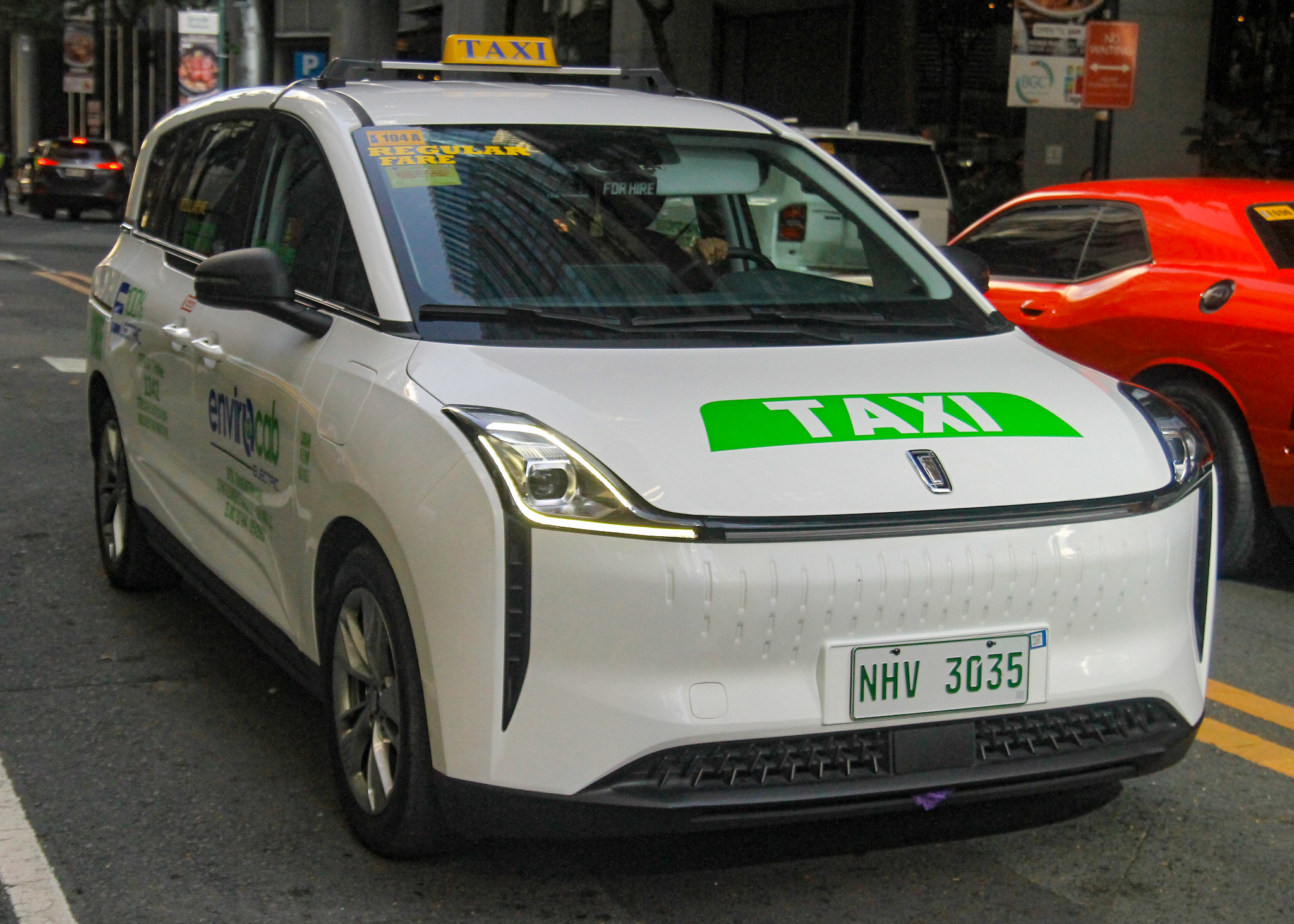
Bishkek is taking bold steps toward cleaner urban mobility with the introduction of Electric Taxis. This initiative aligns with the city’s broader goals of reducing air pollution and modernizing public transport. Early adopters are already seeing the advantages—lower running costs, quieter rides, and growing support from both government and private sectors.
Taxi operators are gradually exploring electric alternatives as fuel prices fluctuate and environmental regulations tighten. Electric Taxis present a compelling option, offering long-term cost savings and alignment with emerging eco-transport policies.
Infrastructure Development and Charging Access
A key factor determining the success of Electric Taxis in Bishkek is the expansion of charging infrastructure. The city has started installing fast-charging stations across strategic points, including transport hubs and commercial areas. These developments are intended to eliminate range anxiety and ensure taxis can operate efficiently across long urban shifts.
Additionally, partnerships with local stakeholders and technology firms aim to scale up access to affordable charging networks. Training programs are also underway to educate mechanics and drivers on electric vehicle servicing—building a robust ecosystem around Electric Taxis.
Government Incentives Driving the Shift
To encourage adoption, the government has introduced several incentives for Electric Taxis. These include waived import duties on electric vehicles, reduced road taxes, and exclusive access to specific taxi lanes. Registration processes have been simplified, and green license plates offer additional privileges, like discounted tolls and parking.
Financial incentives have sparked interest among fleet owners looking to modernize while cutting operational costs. With the support framework in place, more taxi businesses are beginning to consider a transition toward Electric Taxis.
Overcoming Key Challenges
Despite the positive momentum, challenges remain. The country’s power grid must be upgraded to handle increased demand, especially during winter when electricity use spikes. Cold weather also affects battery performance, potentially limiting the daily range of Electric Taxis during peak winter months.
Moreover, the lack of a formal battery recycling system raises concerns about long-term environmental impact. Addressing these issues will be essential to building a sustainable and scalable electric taxi network.
A Look Toward the Future
Bishkek is at the beginning of a significant transport transformation. As infrastructure, training, and government support continue to grow, Electric Taxis could soon become a standard fixture in the city’s streets. The goal is not just replacement—but improvement—of the entire taxi system through cleaner, quieter, and more efficient operations.
Platforms like Asia Car Group’s portal offer valuable tools for businesses looking to explore electric fleet options, helping drive this shift in a practical direction.
Would you ride or drive one of Bishkek’s new Electric Taxis? Share your thoughts in the comments—do you see them as the future or just a passing trend? Let’s hear your take!